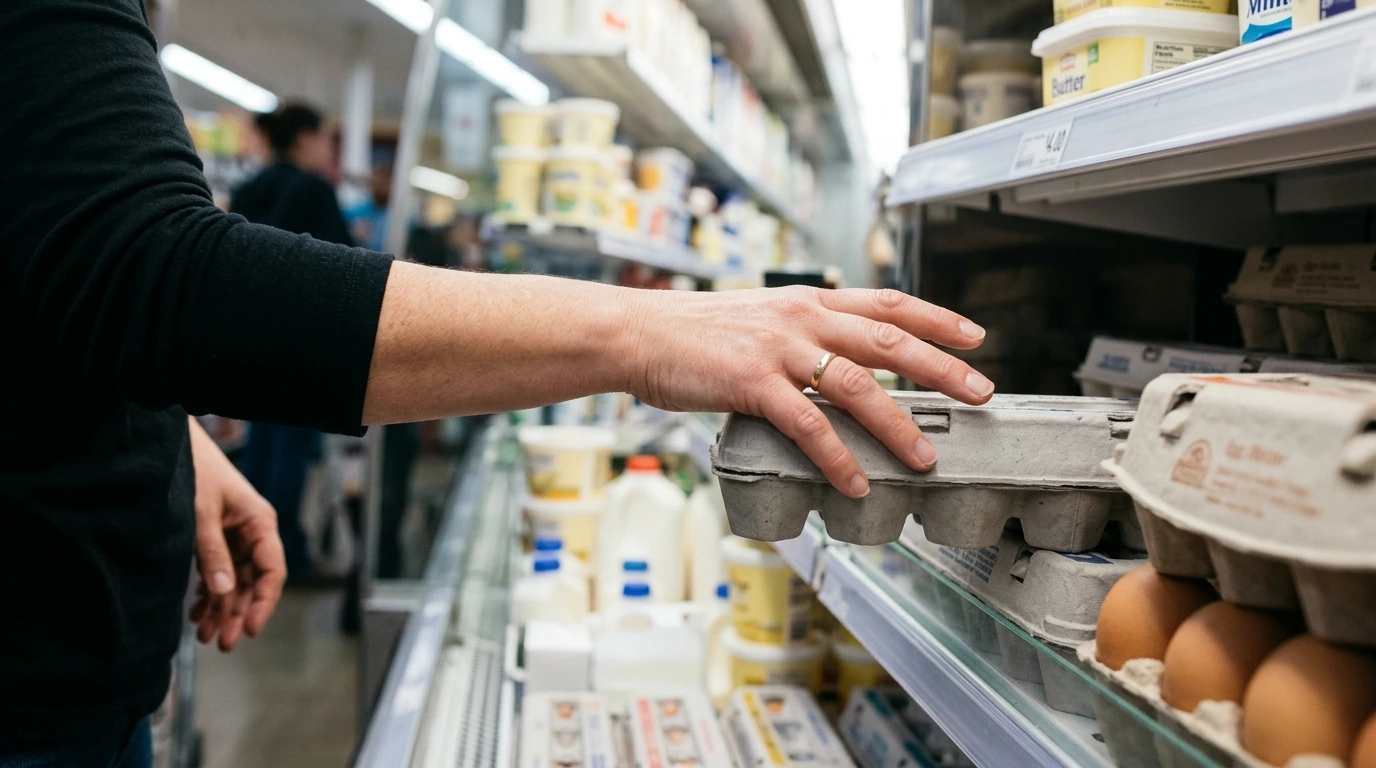
Why Eggs And Chicken Are Costlier This Year
A tray of eggs that cost you sixty rupees last year is closer to ninety now. The chicken for your Sunday curry costs more too. You've noticed. Everyone has.
I get asked about this constantly — not by economists, but by the woman who runs a tiffin service near my farm and prices her thali down to the rupee. By relatives who assume that if eggs cost more, I must be the one pocketing the difference.
I wish that were true.
It isn't. And the real reason is more interesting than "farmers charging more." I've spent fifteen years around chicken sheds and feed bins, and this year's price rise is about as textbook a case as I've seen. So let me walk you through it — the way I'd explain it to a friend standing in my farm office, coffee in hand, squinting at their grocery bill.
It Starts With What The Birds Eat
A chicken's dinner is the single biggest expense in raising it. Not one cost among several — the cost. On most farms, mine included, feed eats up somewhere between 65 and 75 percent of the total expense of producing an egg or a bird. Labour, electricity, medicine, the shed itself — compared to feed, all of it is a rounding error.
That feed is built on two ingredients: maize, which many of us still call corn, and soybean meal. Corn alone makes up roughly half of a typical poultry feed formula. So when maize prices move, egg and chicken prices move with them — not eventually, almost immediately.
This year, maize didn't just move. It jumped.
The Ethanol Squeeze
Here's what's actually changed the game this year, and it has nothing to do with chickens at all. It's fuel.
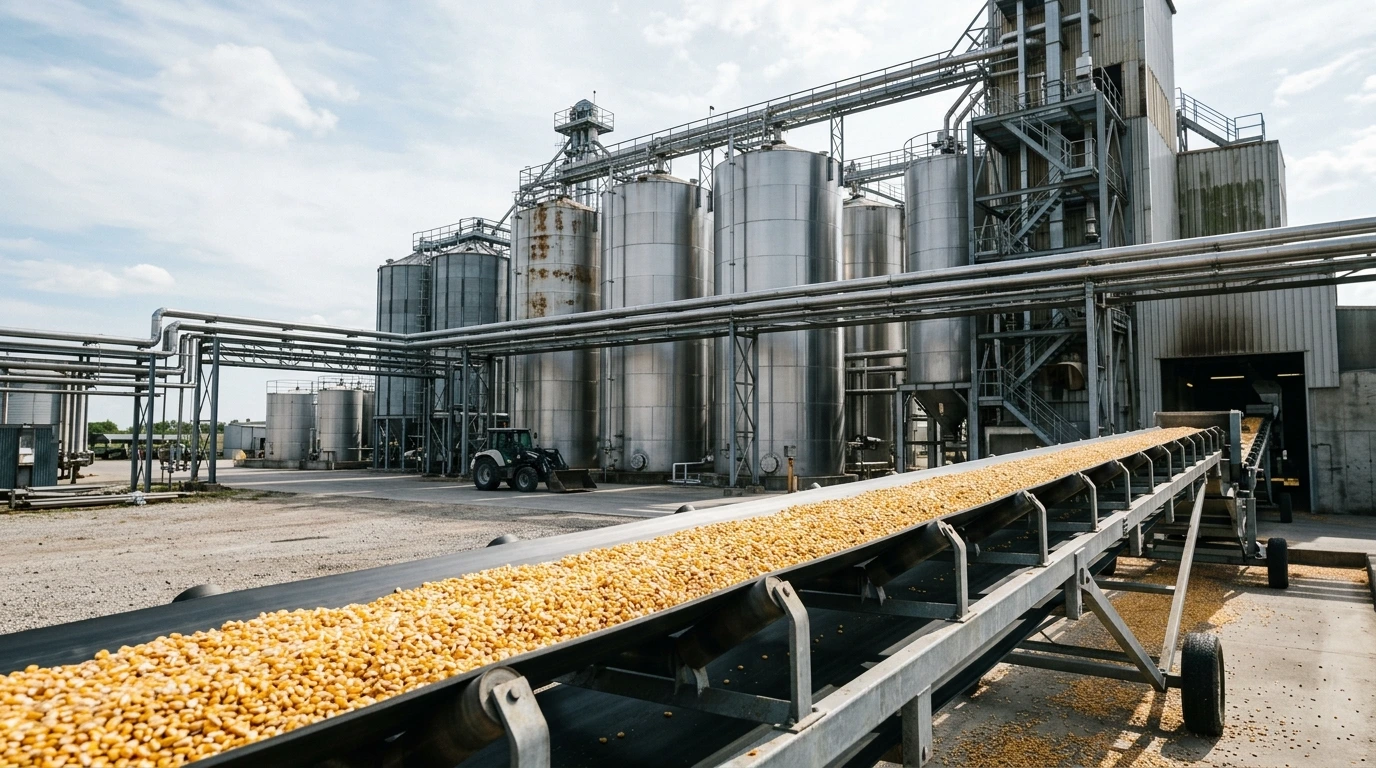
India has been pushing hard on ethanol blending — mixing ethanol into petrol to cut fuel imports. A reasonable goal, on its own terms. But ethanol needs a feedstock, and increasingly, that feedstock is maize. Distilleries that once bought a modest slice of the harvest are now buying a much bigger one; maize diverted to ethanol has jumped more than tenfold in just a couple of years.
Poultry farmers and ethanol distilleries are now bidding for the same sacks of corn. And distilleries, backed by blending mandates and government support, can usually afford to pay more. Maize that sold for around fourteen thousand rupees a tonne a few years ago is now touching twenty-six thousand. That's not inflation creeping up. That's nearly doubled.
I remember placing a feed order last winter and calling my supplier back, certain the quote had a typo. It didn't.
Soybean Isn't Helping
If maize were the only problem, farmers could tweak the feed mix and absorb it. But soybean meal, the main protein source in the feed, has climbed too — up roughly a quarter in just a month or so earlier this year, as harvest forecasts weakened. When your two main ingredients rise together, there's no clever substitution that saves you. You either absorb the hit or pass it on.
Sunflower cake, broken rice, de-oiled rice bran — the smaller ingredients have crept up as well. It's like watching salt, oil, and vegetables all rise in the same week. There's no swapping your way out of a kitchen bill like that.
Weather Plays Its Part Too
Feed grabs the headlines, but weather squeezes the industry from both ends.
Erratic rainfall damages maize and oilseed crops before ethanol demand even enters the picture, tightening supply further. And heat stress hits the birds directly — hens eat less and lay fewer eggs, broilers gain weight more slowly. Farmers I know in the south tell me a single hot spell can knock egg production down noticeably within weeks. Less supply, same demand. You know how that story ends.
The Farmer's Side
Here's what might surprise you: even with prices climbing, poultry farmers aren't celebrating.
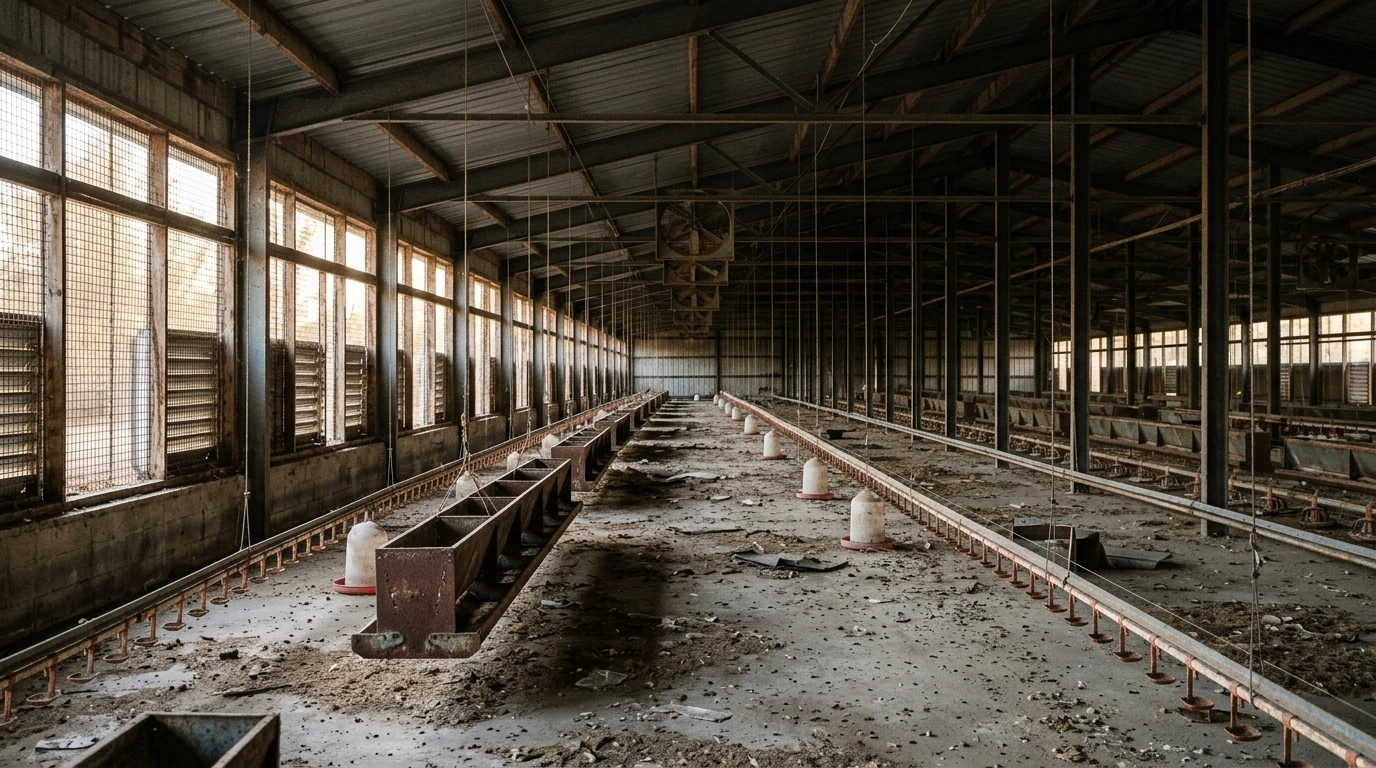
Margins in this business have always been thin — sometimes a few paise of profit per egg. Over the past decade, feed costs have risen by around 50 percent while egg prices have moved up by a fraction of that. The math simply doesn't favour the farmer. Several have shut down entirely in the last year or two because the gap between what it costs to raise a bird and what they're paid for it stopped being livable. I've seen sheds standing empty near villages where, a few years ago, they ran at full capacity.
So when egg and chicken prices climb at the shop, understand that much of that increase is farmers trying to stay afloat, not farmers cashing in. Transport, storage, and retail margins add their own layer on top — but the thing that set this whole chain in motion is feed.
Heading Into Winter
Winter is when egg demand traditionally rises in India — more baking, heartier meals, hostels and hotels stocking up. That seasonal bump, on top of already elevated feed costs, is why industry voices keep warning that prices could climb further before they ease.
I'd raise an eyebrow at the more dramatic numbers doing the rounds — eggs at twenty or twenty-five rupees apiece. Those tend to describe premium or specialty eggs, not the everyday tray most of us buy. But a further, moderate rise this winter? That part I believe.
What You Can Actually Do
I won't pretend there's a trick that makes eggs cheap again. But a few things are worth knowing if you're managing a kitchen budget through this.
Buy in bulk when wholesale prices dip, rather than daily at retail — the spread between the two can be surprising. Look at regional sourcing where you can; prices vary quite a bit by state, depending on local feed availability and transport distance. And if eggs or chicken are a core ingredient in your business, a supply arrangement with a trusted local farm smooths out the volatility better than buying purely on the spot market ever will.
On the farming side, we're watching maize and soybean markets more closely than almost anything else right now. Feed procurement has stopped being routine and become a genuine strategic decision — timing purchases, weighing alternative ingredients, keeping a tighter eye on inventory than we ever used to.
The Bigger Picture
An egg is a small, humble thing. But the story behind its price touches fuel policy, monsoon patterns, global soybean markets, and the daily grind of thousands of farmers trying to keep their birds fed and their farms running.
Next time you notice the price has ticked up again, think less "someone's profiteering" and more "there's an entire chain of maize fields, feed mills, and farm sheds behind this." Because there is. And most people in that chain are just trying to keep the lights on, same as you.