The Silent Threat in Your Water Line: E. coli and Your Poultry Flock
Let me tell you about a mistake I see over and over again on poultry farms — including, if I am being honest, mistakes I've witnessed even on well-run operations where people genuinely care.
The farmer checks the feed. He checks the litter. He watches his birds carefully every morning. And then he glances at the water line, sees water flowing, and moves on.
Water is flowing. That must mean it's fine.
It isn't always fine. Not by a long way.
E. coli in poultry drinking water is one of those problems that hides in plain sight. The water looks clean. The birds seem okay — at first. And then slowly, quietly, the flock starts to underperform. Growth slows. Feed conversion creeps up. You start seeing loose droppings. A few birds look dull. Mortality ticks upward and you can't quite put your finger on why.
And the whole time, the answer is sitting in your water line.
What Is E. coli, and Why Does It End Up in Drinking Water?
Escherichia coli — E. coli — is a bacteria that lives naturally in the intestinal tract of birds, animals, and humans. Most strains are harmless. But certain pathogenic strains, particularly in poultry, cause a disease called Colibacillosis — and it can devastate a flock if conditions allow it to take hold.
Now here's the thing most people don't realize. E. coli doesn't usually start in the water. It gets there.
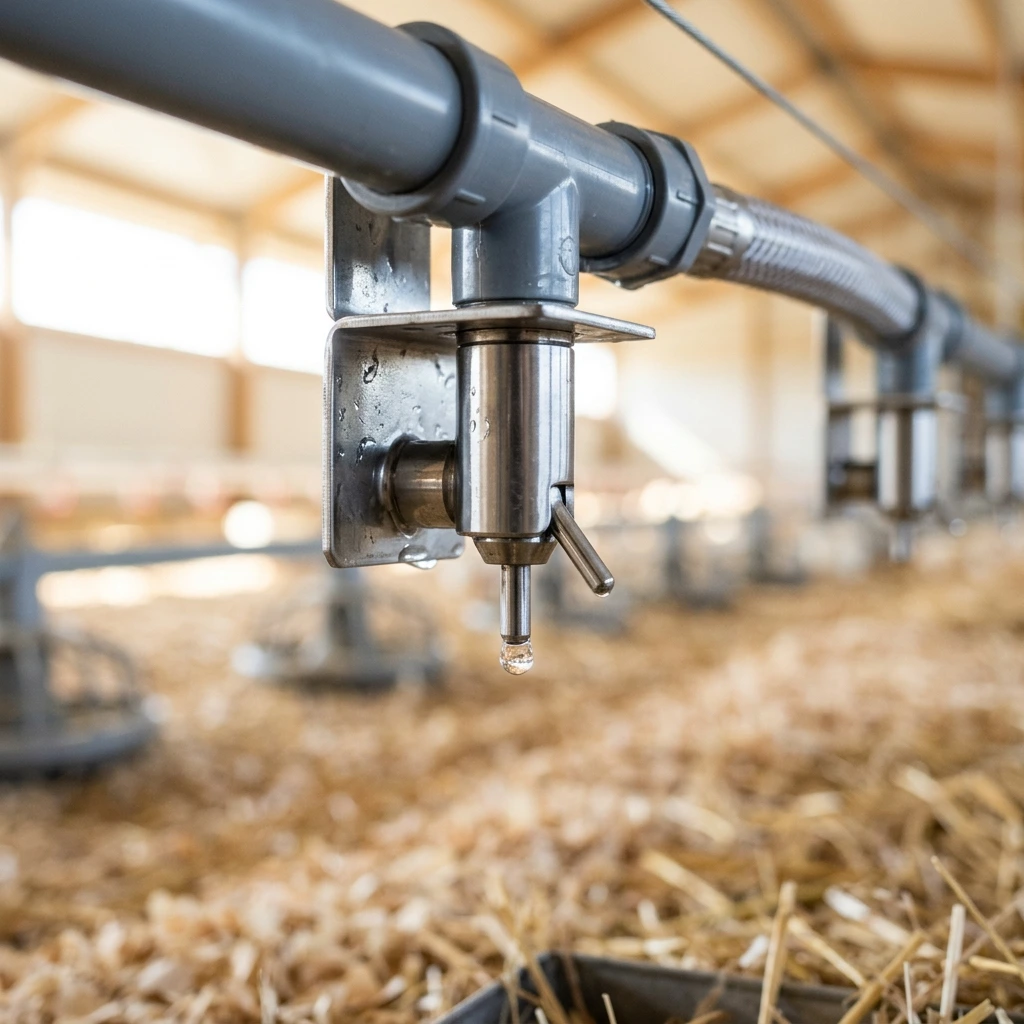
Think about your farm for a moment. Chickens drink. They also dribble, splash, and occasionally — let's be direct about this — back-flush contaminated moisture into the drinking system. Drinkers get wet. Litter gets damp. Feces accumulate near water points. Dead organic matter builds up inside pipes and nipple drinkers where nobody can see it.
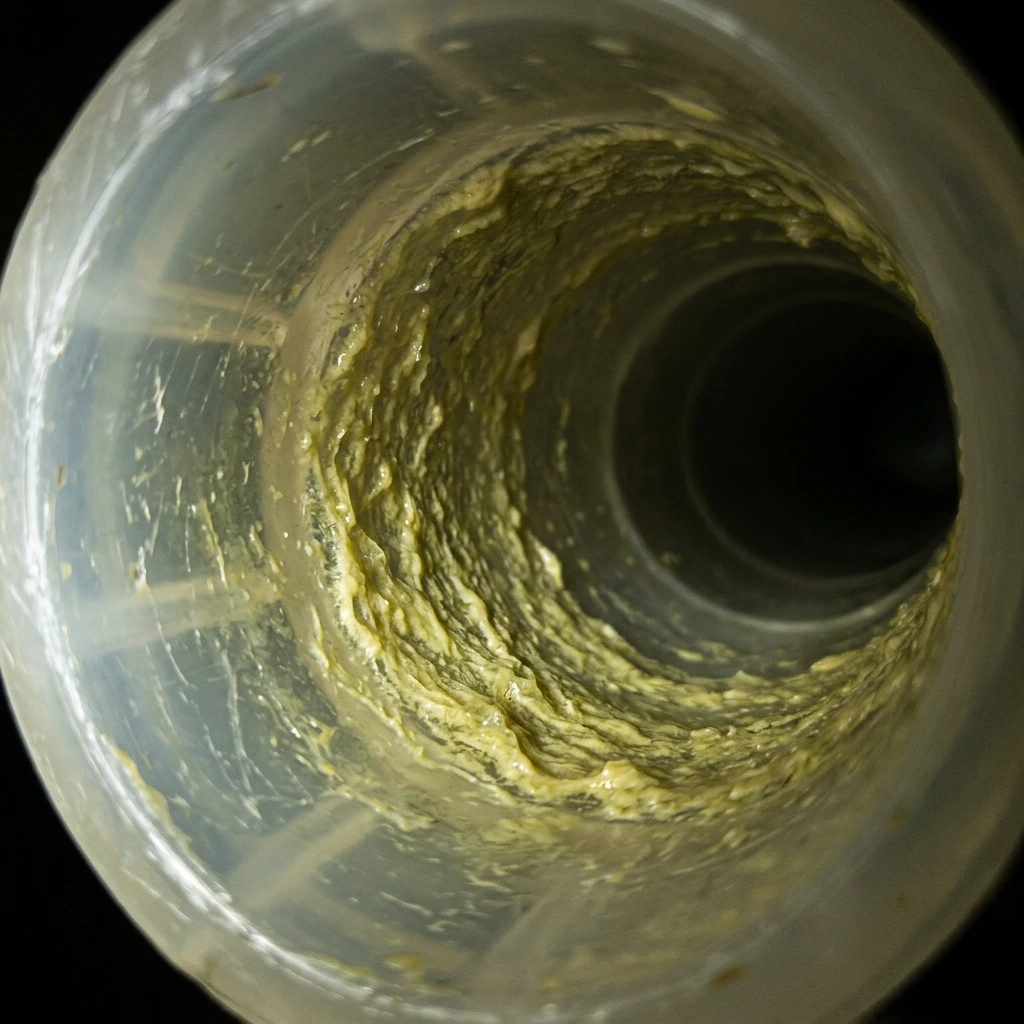
That organic matter — the biofilm lining your water pipes — is E. coli's dream home. A thin, sticky layer of bacteria, protected from chlorine and other sanitizers, feeding on minerals and organic debris. Once a biofilm establishes itself inside a water line, it is genuinely difficult to eliminate. And every day your birds drink from that system, they are ingesting bacteria that should never be in a water supply.
Add to that: water sources in rural India — open bore wells, surface water, poorly maintained tanks — that are frequently contaminated with fecal bacteria. Not because anyone is careless, but because contamination is just the reality of water that hasn't been properly treated.
What Happens When Birds Drink Contaminated Water
Here is where it gets serious.
Young chicks are especially vulnerable. Their gut flora hasn't established properly yet. Their immune systems are developing. And if pathogenic E. coli gets in early — in the first week of life — it can cause rapid die-offs, air sac infections, yolk sac infections in newly hatched birds, and systemic disease that spreads through a flock fast.
In older birds, the picture is a little different but still damaging. Chronic low-level E. coli contamination in water suppresses the immune system over time. Birds that might have fought off a respiratory challenge now can't. Birds that should have converted feed efficiently start losing ground on their FCR. The flock looks "okay" — but it isn't performing the way it should.
And here is the part that rarely gets discussed: E. coli infections in poultry are one of the most common triggers for antibiotic use on farms. A farmer sees sick birds, calls the vet, gets antibiotics. The antibiotics work for a while. But if the underlying water contamination isn't addressed, the problem returns. More antibiotics. A cycle that never ends — and contributes directly to the antibiotic resistance problem that is now a global health crisis.
Treating the symptom while ignoring the source is one of the most expensive things a poultry farmer can do.
How to Actually Know If Your Water Is Contaminated
This is the question that frustrates me most about how poultry water management is discussed. People talk about E. coli constantly but rarely explain how you actually confirm it.
The answer is: you test.
A water test for Total Coliform and E. coli specifically is not complicated or expensive. In most cities and districts in India, you can get this done through government labs, accredited private laboratories, or agricultural testing services. The test tells you two things: whether coliform bacteria are present at all, and whether E. coli specifically is detectable.
The acceptable standard for poultry drinking water is zero detectable coliforms per 100 ml. Zero. Not low. Not acceptable. Zero.
If your water source is coming back with even low coliform counts, you have a contamination issue that needs addressing before it costs you birds, performance, or your antibiotic-free farming credentials — if that matters to you, as it does to us.
Test your water source. Test it at the source and at the drinker level — because contamination often builds up in the pipes and storage between those two points. And test regularly, not just once.
Prevention: What Actually Works
Let's get practical. Because knowing E. coli is a problem is useless without a clear picture of what to do about it.
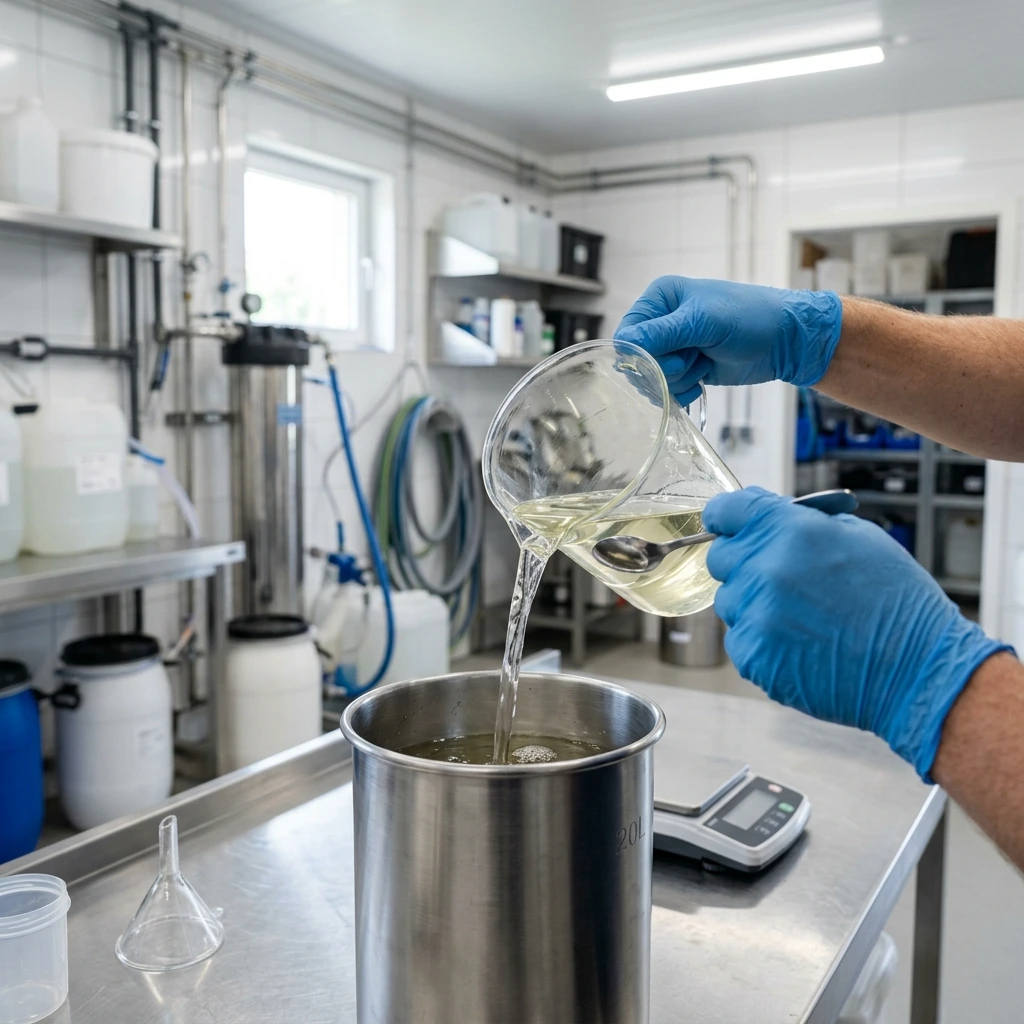
Start with the biofilm. Before every new batch of birds, the water system needs to be flushed and sanitized properly — not just rinsed. Hydrogen peroxide-based sanitizers are highly effective at breaking down biofilm inside water lines. Run the solution through, let it sit for the recommended contact time, then flush thoroughly before the birds arrive. A clean water line at the start of a batch is worth more than any number of treatments midway through.
Chlorination — done right. Chlorine remains one of the most effective and affordable water treatments available for poultry operations. But it needs to be managed carefully. Free chlorine at the drinker level should sit between 1 and 3 parts per million. Below 1 ppm and it isn't doing much. Above 5 ppm and it affects water palatability — birds drink less, which creates its own problems. A basic pool test kit can check chlorine levels at the drinker in minutes. There's no reason not to do this regularly.
Organic acids in the water. This is something we use and strongly believe in at Apollo Farm. Adding acidifiers — citric acid, lactic acid, or commercial organic acid blends — to drinking water lowers the pH of the water in the gastrointestinal tract of the bird. E. coli, like most pathogenic bacteria, struggles in acidic environments. Organic acids also help keep water lines cleaner. They don't replace biofilm cleaning, but they are a powerful addition to a water management programme, particularly for farms committed to reducing antibiotic use.
Drinker design and placement. Open drinker troughs are contamination magnets. Nipple drinkers, when properly maintained and set at the right height for bird age, dramatically reduce the contact between litter, feces, and drinking water. If you're still using open bell drinkers or troughs, the switch to nipple systems will return your investment through reduced disease pressure alone.
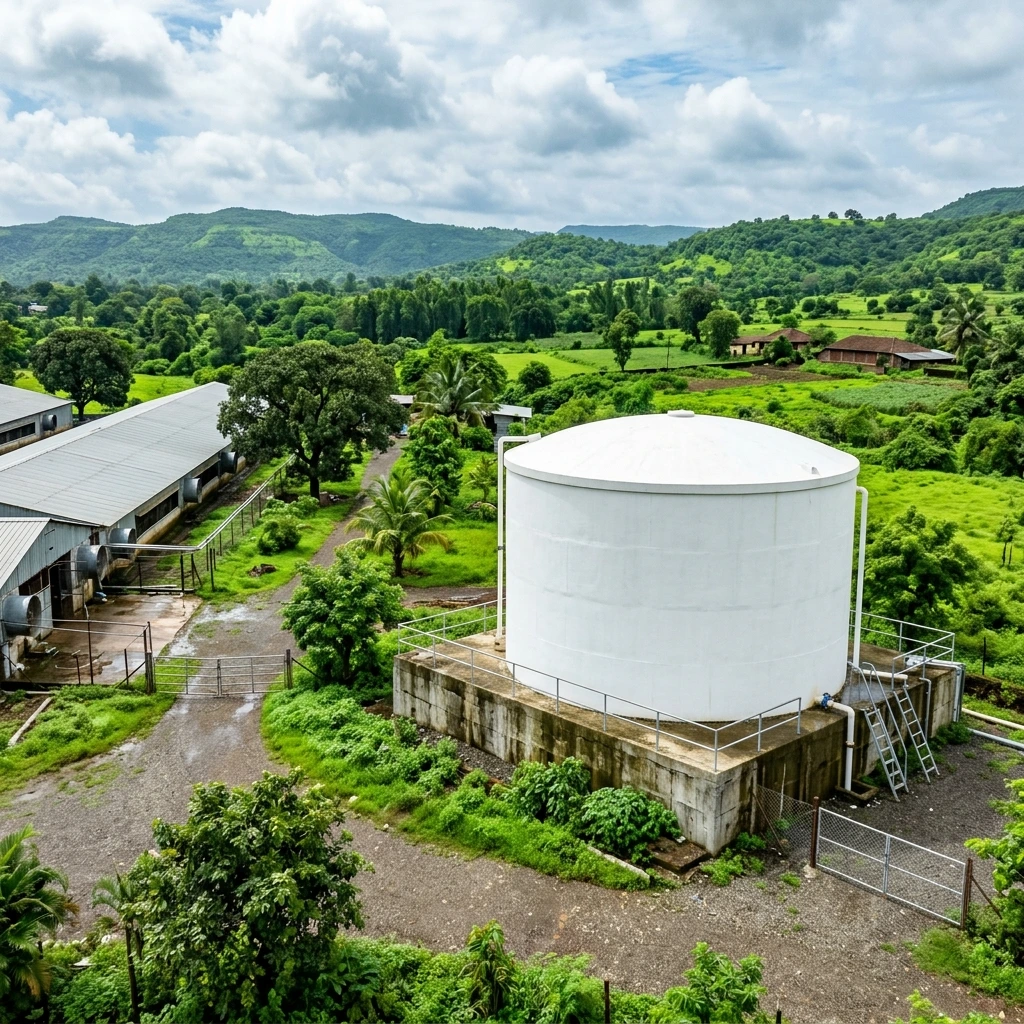
Water storage hygiene. Overhead tanks and storage tanks are frequently forgotten. Algae growth, sediment buildup, and dead organic matter in tanks are direct contamination sources. Tanks need to be covered, cleaned regularly, and checked for cracks or damage that allow contaminants in. A pristine water source feeding into a dirty tank is not clean water by the time it reaches your birds.
The Indian Poultry Context — What Makes This Harder Here
I want to be honest about the challenges specific to poultry farming in India, because pretending they don't exist helps no one.
Power cuts affect water pumps and automatic sanitizing systems. Water pressure variability causes vacuum effects in pipes that can suck contaminated moisture backwards into systems. Many small and medium farms rely on open bore wells that are susceptible to surface contamination, especially during and after monsoon season when groundwater contamination peaks.
Monsoon is the highest-risk period for E. coli contamination in farm water. Every year. Without exception. If you are not testing your water and stepping up your water management during and immediately after the monsoon, you are running a risk that catches up with you eventually.
And yet, with all of these challenges, the farms that take water management seriously consistently outperform the ones that don't. Consistent water quality is one of the clearest differentiators between a flock that performs well and one that muddled through on antibiotics and hope.
A Note on Our Own Approach at Apollo Farm
When we set up our water management system for our Sonali flock, we made a deliberate decision. We test our water source regularly. We use organic acid supplementation throughout the production cycle. We clean our water lines before every batch. And we check drinker-level water quality during the batch, not just at the source.
Is it extra work? Yes. But the birds that drink clean water are healthier, more active, convert feed better, and need far fewer interventions during the production cycle. The math is straightforward.
Antibiotic-free farming — which is something we are committed to at Apollo Farm — is simply not possible if water quality is not managed properly. Clean water isn't just about hygiene. It is the foundation on which everything else in your biosecurity programme rests.
What to Do This Week
If you've read this far, you are someone who takes your flock seriously. Here is what I'd actually recommend doing right now.
Collect a water sample from your drinker line — not just from the tank or the tap, from the actual drinker that the birds are using — and get it tested for Total Coliform and E. coli. The result will tell you more about your flock's health than almost any other single test you can run.
If the results come back with contamination, don't panic. But do act. Flush and sanitize the system. Address the source if you can. Start chlorination management and consider organic acid supplementation. And retest in two weeks to confirm you've solved it.
If the results come back clean — keep it that way. Set a testing schedule and stick to it.
Clean water is not complicated. But it requires intention. And intention, in farming, is everything.