Microalgae for Poultry: The Next Sustainable Feed Ingredient or Just Hype
Let me be honest with you from the start.
When I first read about microalgae being used as a poultry feed ingredient, my instinct was scepticism. It sounded like one of those ideas that looks brilliant in a research paper and then quietly disappears when someone tries to actually scale it on a real farm. We've all seen that pattern in agriculture — the next big thing that turns out to be a complicated, expensive, and ultimately impractical next big thing.
But the more I dug into it, the more I found myself genuinely interested. Not converted. Not ready to overhaul everything. But genuinely curious in a way that I don't take lightly after fifteen years of watching farming trends come and go.
So let's talk about microalgae properly — what the science actually says, what the practical reality looks like, and whether this is a legitimate shift in sustainable poultry nutrition or just a shiny idea that doesn't quite survive contact with the real world.
First, What Are We Actually Talking About?
Microalgae are microscopic, single-celled photosynthetic organisms. They live in water — fresh, saline, or brackish — and they multiply fast. Really fast. Under the right conditions, certain species can double their biomass every few hours.
The ones getting the most attention in animal nutrition are Spirulina (technically a cyanobacterium, but widely grouped with microalgae), Chlorella, Nannochloropsis, and Haematococcus. Each has a slightly different nutritional profile, but as a group, they share some properties that genuinely deserve attention.
Protein content, for one. Depending on the species and growing conditions, microalgae can contain anywhere from 40% to 70% crude protein on a dry matter basis. That's competitive with soybean meal — and in some cases better. The amino acid profile is reasonably good, with decent levels of lysine and methionine, which are the two amino acids that poultry farmers spend the most money supplementing.
Omega-3 fatty acids. Certain microalgae — particularly marine species like Nannochloropsis — are rich in EPA and DHA, the long-chain omega-3s that have documented health benefits and that are genuinely difficult to incorporate into chicken feed through conventional means.
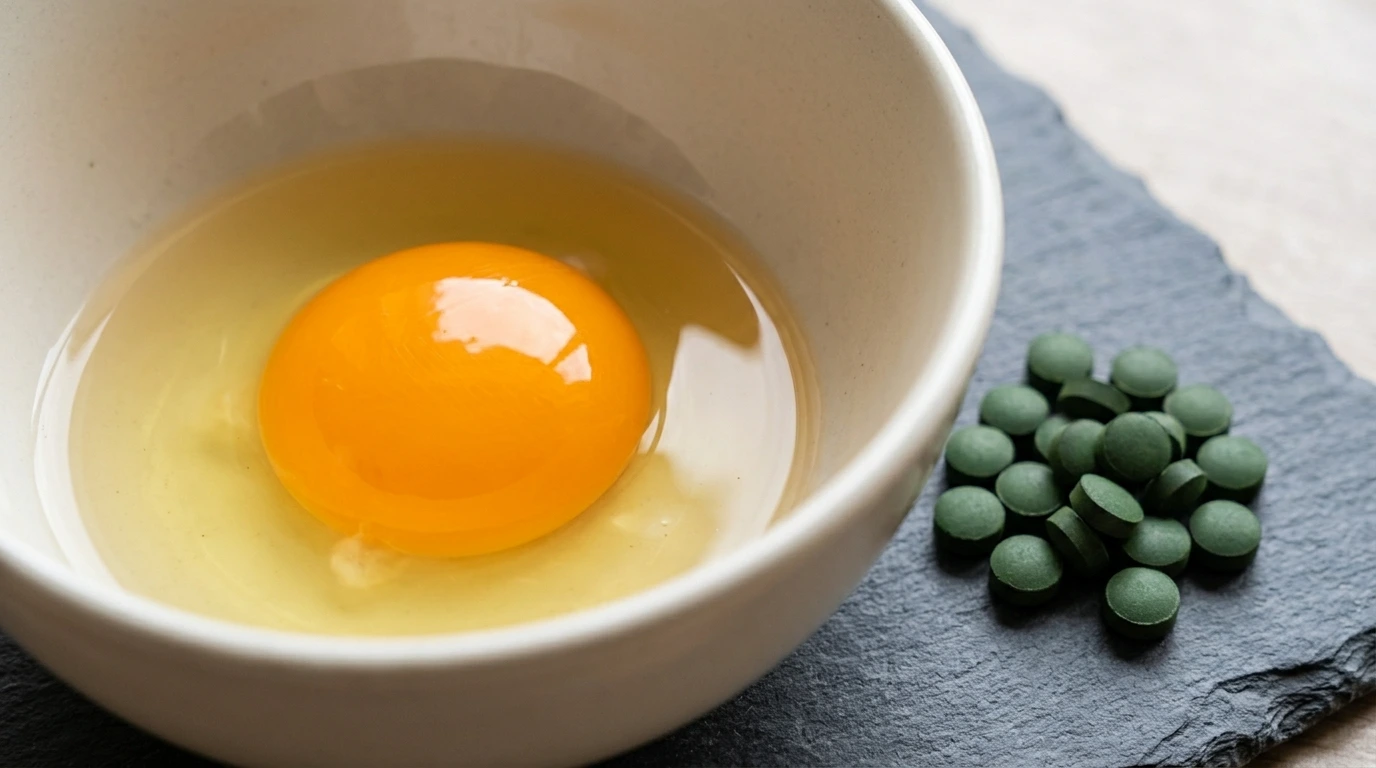
Pigments. Astaxanthin from Haematococcus pluvialis and zeaxanthin from Chlorella are carotenoids that have real, documented effects on egg yolk colour and skin pigmentation. This isn't just cosmetic — these pigments have antioxidant properties that can affect meat quality and shelf life.
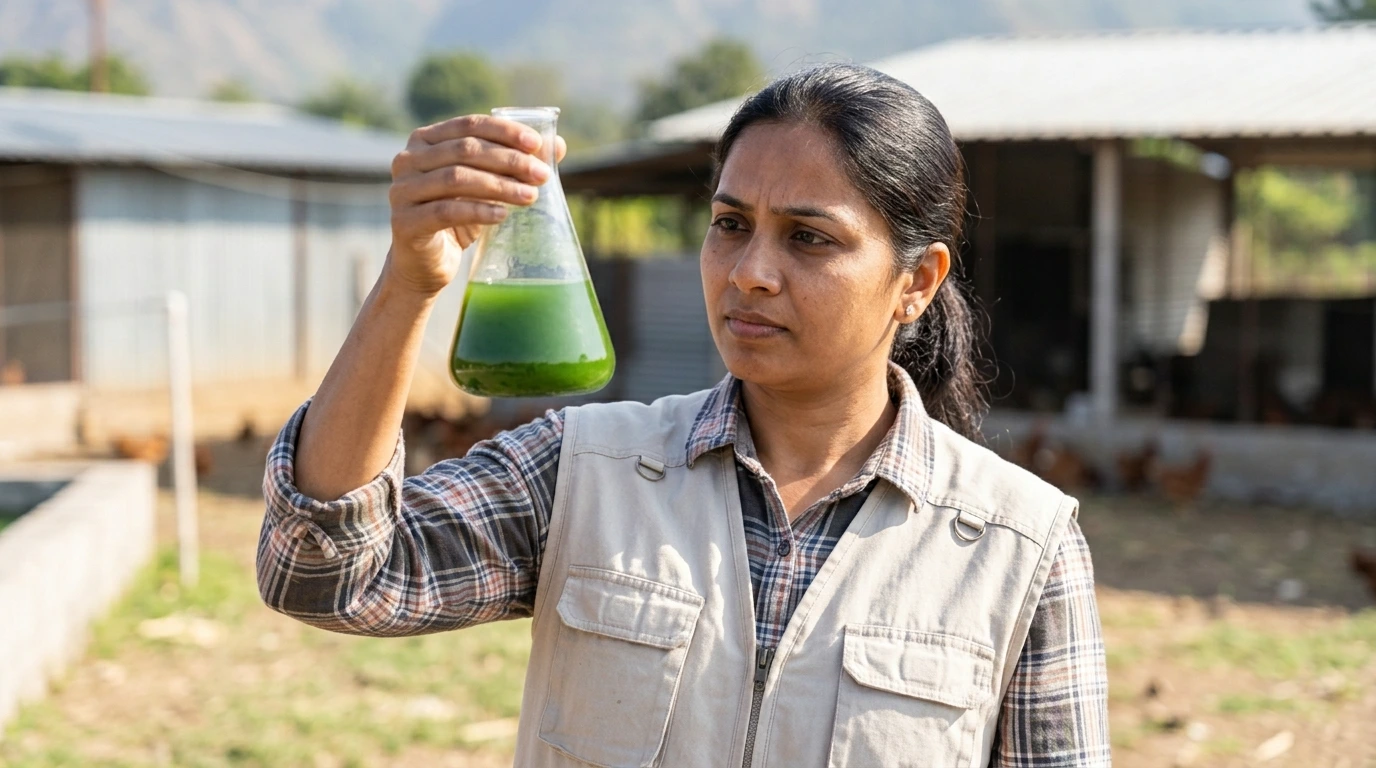
What the Research Actually Shows
Here's where I want to be careful, because this is an area where it's easy to cherry-pick studies that make a technology look better than it is.
The honest summary of the research base: there's genuine evidence of benefit, but it's dose-dependent, species-dependent, and not without complications.
Studies using Spirulina supplementation in broilers and layers — typically at inclusion rates of 2% to 5% of the diet — have shown improvements in growth rate, feed conversion ratio, and egg production parameters. Some studies have demonstrated improved immune response and reduced mortality rates under disease challenge conditions. The antioxidant compounds in Spirulina appear to play a real role in gut health and immune function.
Chlorella supplementation has shown interesting results in layers — improved yolk colour, some evidence of enhanced immune function, and modest improvements in egg quality parameters. The research is less consistent than Spirulina, but the direction is generally positive at moderate inclusion rates.
Haematococcus for astaxanthin is the most clearly validated application. The carotenoid pigmentation effect is well-established and commercially exploited in salmon aquaculture — the same principle applies to poultry, where astaxanthin improves yolk colour, skin pigmentation in broilers, and has antioxidant properties that can genuinely affect meat quality.
But — and this is important — almost all of this research uses relatively low inclusion rates. When you push microalgae beyond 5% to 8% of the diet, problems start appearing. Feed palatability drops. Growth rate improvements plateau and then reverse. Some species contain cell walls that poultry digestive systems can't efficiently break down, which reduces the bioavailability of all those impressive-looking nutrients.
The digestibility question is real. Microalgae aren't naturally part of a chicken's diet. Their nutrient availability depends heavily on how the biomass is processed — dried, milled, or mechanically disrupted to break those cell walls. Processing adds cost and complexity.
The Cost Problem — Let's Not Pretend It Doesn't Exist
Now, here is the thing that most enthusiastic microalgae articles gloss over.
Current commercial production costs for microalgae are high. Depending on the species and production system, you're looking at costs that are significantly above soybean meal per unit of protein. Open raceway pond production — the cheapest available technology — produces Spirulina at costs that make it difficult to justify as a bulk protein source in commercial poultry diets.
This is not a fatal objection. It's a developmental reality. Fifteen years ago, LED lighting for poultry houses was expensive and exotic. Solar panels were for academic papers. Technologies mature and costs fall — but they fall on a timeline, not immediately.
For now, the realistic application of microalgae in poultry nutrition is as a functional ingredient, not a bulk protein replacement. Think of it the way you'd think about adding Moringa to feed — you're not replacing soybean meal with Moringa, you're adding it for specific nutritional reasons at a rate that makes economic sense. The same logic applies to microalgae.
Low-inclusion Spirulina supplementation for immune support and gut health? Economically feasible, especially if you're positioning your product as premium or drug-reduced production. Haematococcus-derived astaxanthin for egg quality and yolk pigmentation in specialty egg production? Already commercially used and justifiable at scale.
Replacing conventional protein sources with bulk microalgae? Not yet. And possibly not for a decade in most farm contexts.
The Sustainability Angle — Which is Where It Gets Interesting
Here's what genuinely excites me about this ingredient class, beyond the immediate nutrition question.
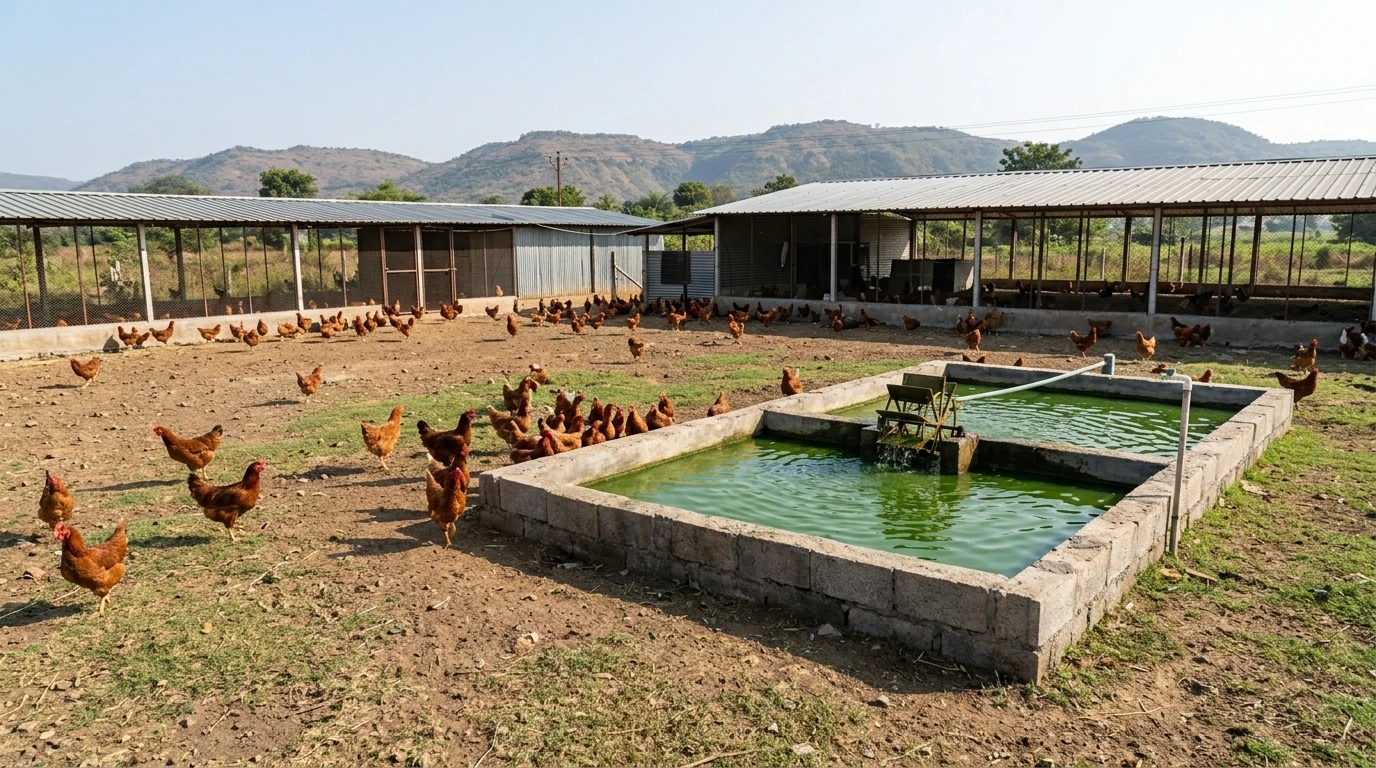
Microalgae grow on sunlight, CO₂, and water. They don't require agricultural land. They can be cultivated on marginal or non-productive land, on wastewater streams, and in systems that actually fix atmospheric carbon rather than releasing it. The lifecycle analysis for certain microalgae production systems genuinely stacks up well against conventional feed ingredients that require large land areas, fertilizer, and long supply chains.
In a country like India, where feed costs are volatile and soybean imports have complex geopolitical dimensions, the idea of a locally producible, water-efficient, land-independent protein source is not just academically interesting — it's strategically relevant.
Azolla — which we grow at Apollo Farm for our own birds — gives me a useful point of comparison here. Azolla is not microalgae, but it's a similarly unconventional feed ingredient that's largely been ignored by commercial nutrition research because it doesn't fit the industrial feed model. And yet it works. Our birds eat it, they thrive on it, and we grow it ourselves on minimal land with minimal input.
Microalgae could occupy a similar niche for farms that choose to grow their own — particularly in warm climates with good sunlight, where open raceway production is viable on a small scale. A small-scale on-farm Spirulina production unit for 1,000 to 2,000 birds is not an insane proposition in the way it might have been ten years ago. The technology is more accessible. The knowledge base is better documented.
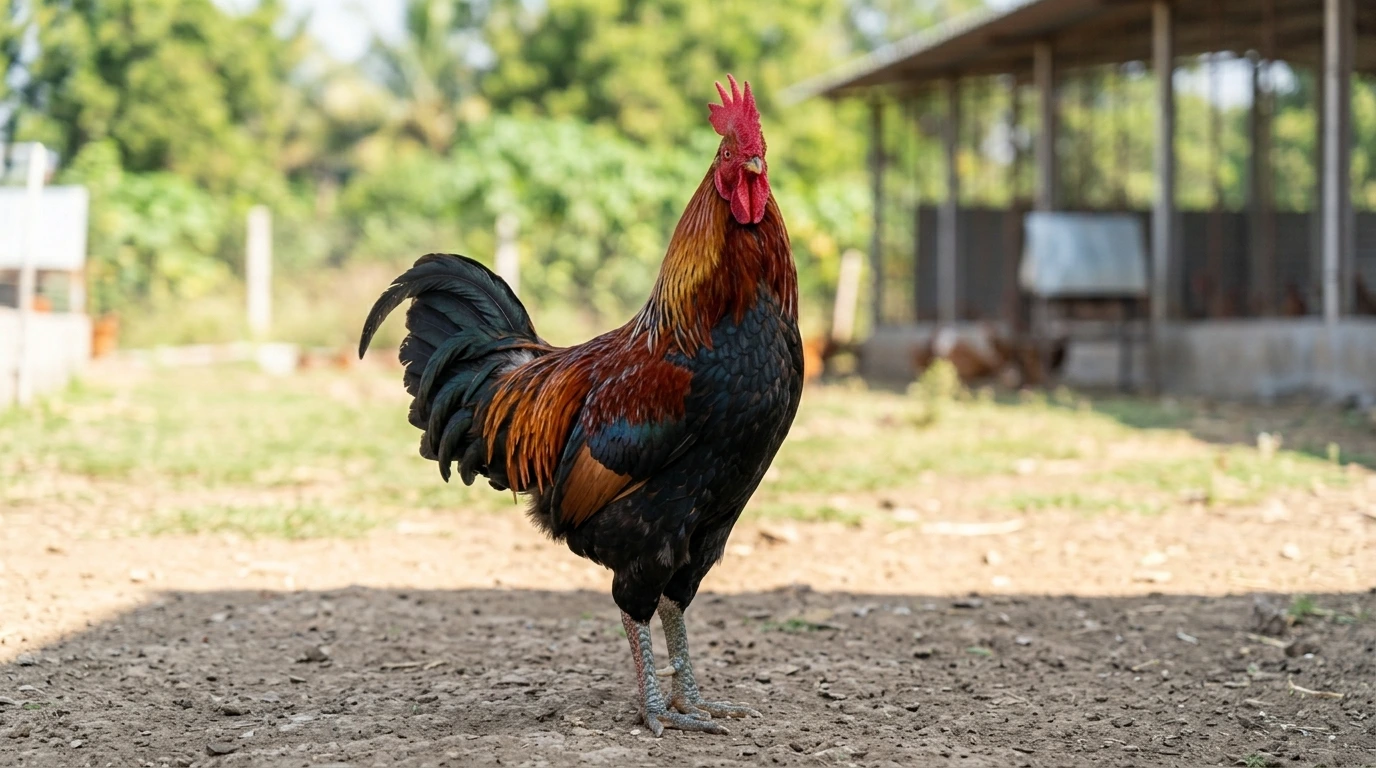
What About Desi and Sonali Breeds Specifically?
This is a question I've thought about carefully, because our context here in Bhopal — raising Sonali desi chickens in a semi free-range system — is genuinely different from the commercial broiler context where most microalgae research has been conducted.
A few things stand out.
Desi breeds are typically less immunologically challenged than high-performance commercial breeds because they're naturally hardier and living in more natural conditions. This means the immune-boosting benefits of Spirulina supplementation, while still relevant, may be less critical than in a high-density commercial environment.
On the other hand, the pigmentation and meat quality effects are actually more relevant for desi production. Customers who seek out Sonali chicken are paying a premium precisely because they value natural characteristics — firm texture, rich colour, traditional flavour. If microalgae supplementation can enhance these characteristics without compromising the natural character of the bird, it aligns well with what desi producers are trying to achieve.
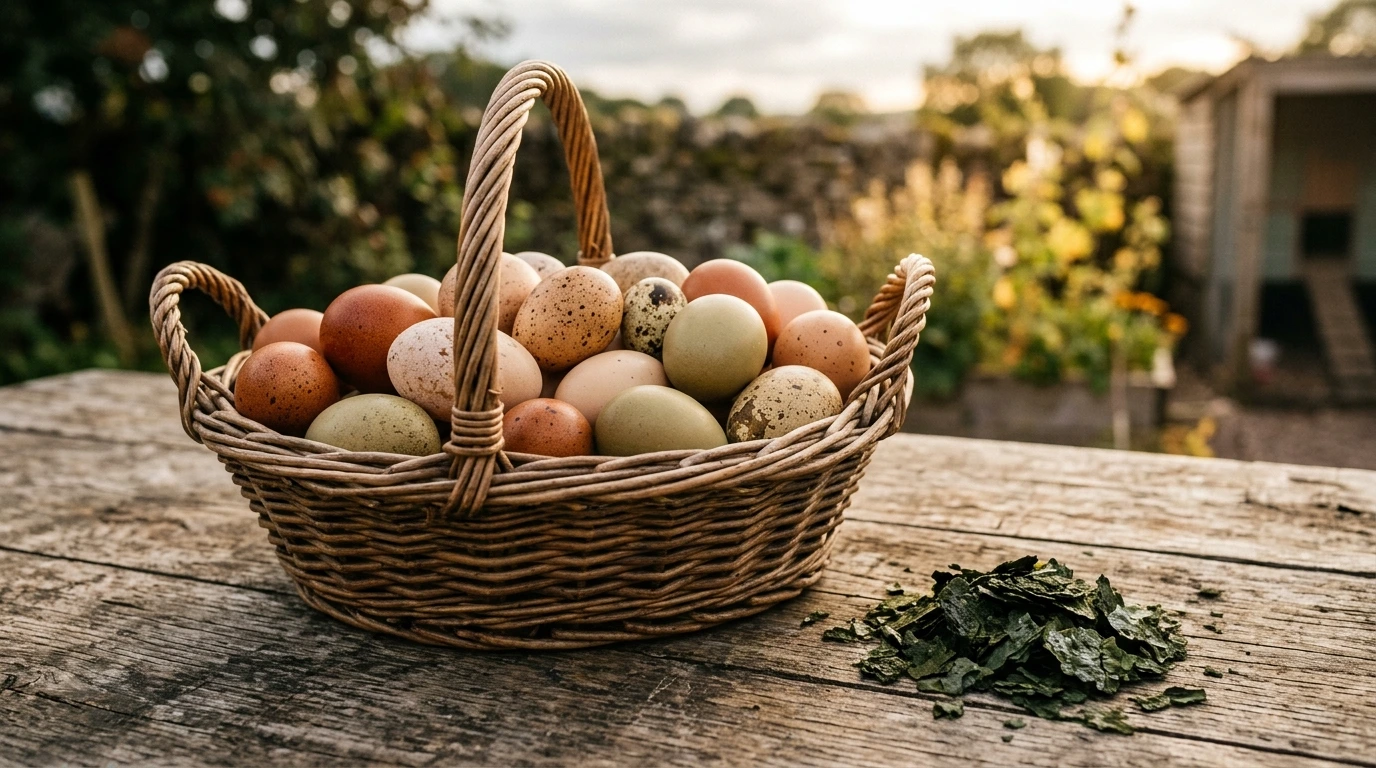
The omega-3 enhancement in eggs is another area of genuine relevance. Desi eggs already command a premium. The ability to demonstrate measurably superior omega-3 content in eggs from microalgae-supplemented hens adds a verifiable nutritional claim to a premium product — which has real market value.
So — Sustainable Revolution or Just Hype?
Neither. That's the honest answer.
Microalgae are not going to replace conventional feed ingredients in the next five years at commercial scale. Anyone telling you they will is selling something. The cost, the processing requirements, the digestibility questions, and the scale limitations are real constraints that won't disappear on enthusiasm alone.
But "just hype" dramatically undersells what's genuinely happening here. The nutritional science is solid at low inclusion rates. The sustainability case is real and will only improve as production technology matures. For small and medium-scale farms producing premium product — Sonali, Kadaknath, speciality eggs, organic and antibiotic-free production — the economics of small-scale microalgae supplementation are closer to viable than most people realise.
The farms that will benefit earliest are the ones who start paying attention now. Learn the science. Understand the species. If you have a water body, some sunlight, and a willing attitude toward experimentation, a small Spirulina trial on part of your flock costs very little and tells you a great deal.
At Apollo Farm, we don't currently supplement with commercially produced microalgae — but we watch this space closely. The day that on-farm Spirulina production at a cost we can justify becomes straightforward enough for a small operation in Madhya Pradesh, we will try it. The biology is convincing. The philosophy fits.
That's not hype. That's just honest optimism — which, after fifteen years in this industry, is the only kind I have left.